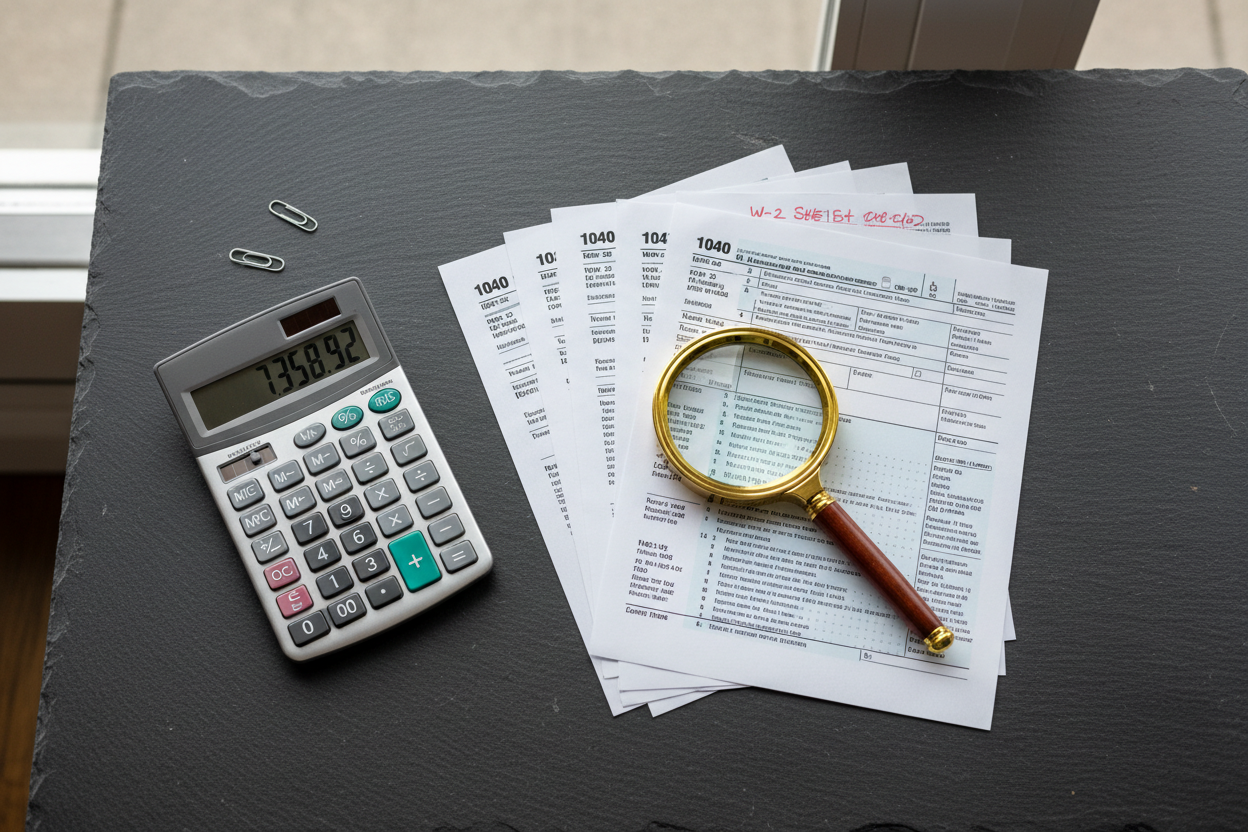


What is Bankruptcy?
Personal bankruptcy in Canada is a legal process governed by the Bankruptcy and Insolvency Act (BIA). It provides individuals overwhelmed by debt with a path to financial recovery by releasing them from most of their obligations to creditors.
“Bankruptcy is not the end — it is a fresh start. Over 100,000 Canadians file for insolvency each year to regain financial freedom.”
Who Can File for Bankruptcy?
To be eligible to file for personal bankruptcy in Canada, individuals must meet specific financial criteria. Generally, you may qualify if you:
- Owe at least $1,000 in unsecured debt
- Unable to meet financial obligations as they come due
- Reside in or have property in Canada
- Have not committed bankruptcy fraud
The Step-by-Step Process
- Initial consultation with a Licensed Insolvency Trustee (LIT)
- Filing the required paperwork to officially start the process
- Surrender of non-exempt assets as regulated by provincial law
- Attend two mandatory credit counselling sessions for rebuilding skills
- Receive your discharge (typically achieved in 9–21 months for first-time filers)

Assets You Can Keep
Filing for bankruptcy does not mean losing everything. Provincial laws outline specific exemptions to ensure that you can maintain a basic standard of living and continue working.
Impact on Your Credit Score
A first-time bankruptcy remains on your credit report for 6–7 years after discharge. Your credit rating drops to R9, the lowest possible score. However, many people begin rebuilding credit immediately after discharge through secured credit cards and responsible financial habits.
Alternatives to Bankruptcy
Before committing to bankruptcy, it is essential to explore other legal debt-relief solutions that may save your credit rating or preserve more of your personal assets.

Elliot J. Rotfarb
Licensed Insolvency Trustee
Co-Owner